Section 179 Vehicles: Which Lincolns Qualify in 2026
The Navigator and the Aviator both clear the 6,000-pound weight rating that the Section 179 deduction turns on. If the vehicle is placed in service before December 31, the deduction belongs to this tax year.
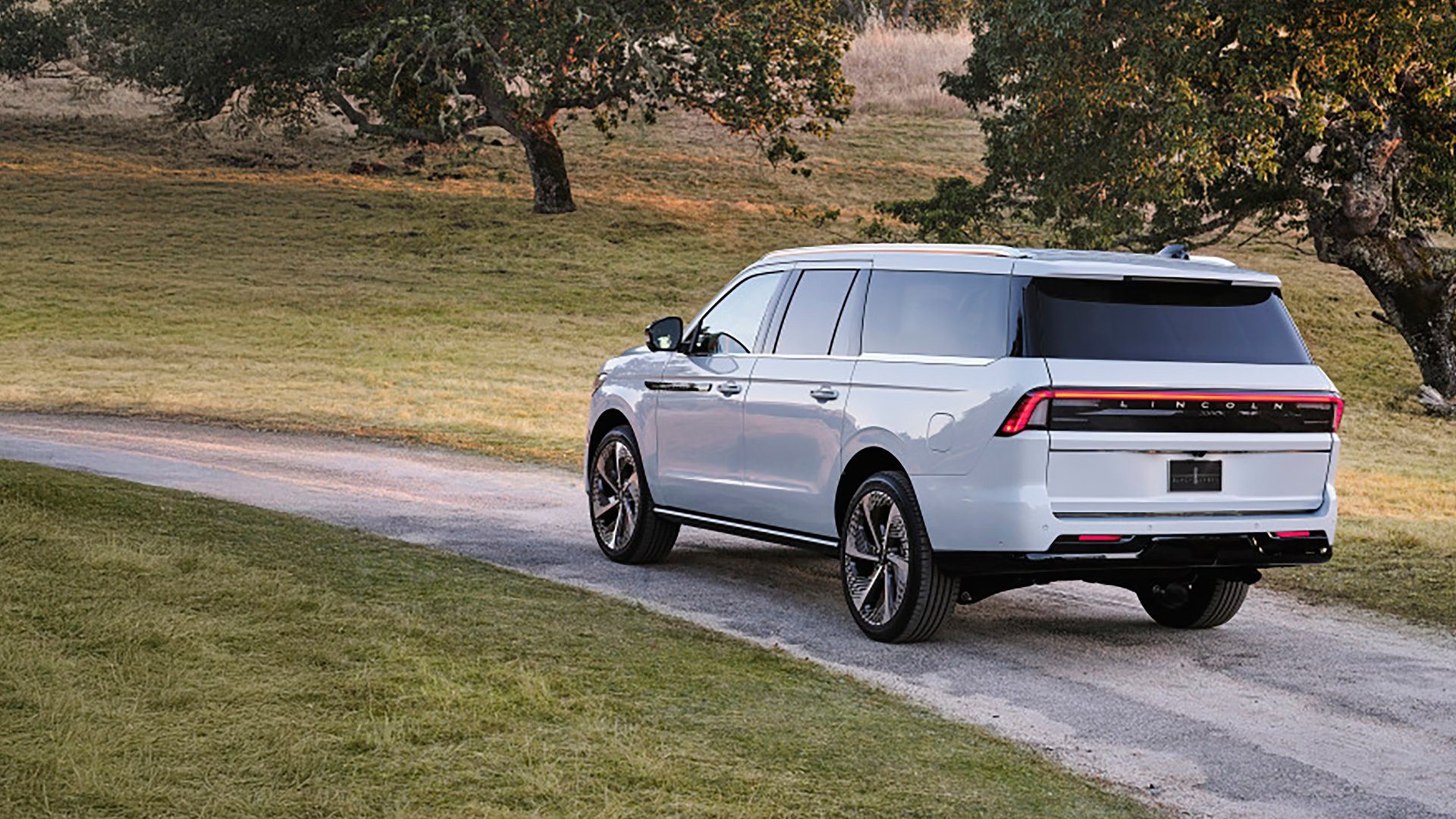
Two Lincolns are rated above 6,000 pounds GVWR and qualify as heavy vehicles under Section 179: the Navigator at 7,625 to 7,850 pounds, and the Aviator at 6,360 pounds in rear-wheel drive and about 6,536 in all-wheel drive. Both fall under the $32,000 Section 179 cap.
- 2026 Section 179 limit
- $2,560,000
- Heavy vehicle cap
- $32,000
- Bonus depreciation
- 100 percent
- Deadline
- December 31, 2026
- Business use required
- More than 50 percent
- Showroom
- 2655 Trenton Rd, Clarksville, TN 37040
What is the Section 179 deduction?
Section 179 of the IRS tax code allows a business to deduct the purchase price of qualifying property in the year it is placed in service, rather than depreciating it across several years. Business vehicles are qualifying property. For 2026 the ceiling is $2,560,000.
Standard depreciation spreads a vehicle's cost across six tax years. Section 179 brings that deduction forward into the year of purchase. The total is unchanged. The timing is not, and for a business carrying tax this year, the timing is the entire question.
Eligibility rests on gross vehicle weight rating, or GVWR, which is the maximum loaded weight a vehicle is rated to carry. The threshold is 6,000 pounds. Above it, a vehicle is treated as heavy equipment. Below it, considerably tighter passenger automobile limits apply.
GVWR is not curb weight, and it is not a figure to take from a brochure. It is printed on the certification label inside the driver's door jamb of the individual vehicle, and that label is what the IRS relies upon.
Which Lincoln vehicles qualify for Section 179 in 2026?
The 2026 Lincoln Navigator is rated 7,625 to 7,700 pounds GVWR, and the Navigator L is rated 7,850 pounds. The 2026 Lincoln Aviator is rated 6,360 pounds in rear-wheel drive and approximately 6,536 pounds in all-wheel drive. All of these clear the 6,000-pound threshold.
Both of Lincoln's three-row vehicles qualify, and they do so comfortably rather than marginally. The Navigator clears the threshold by more than 1,600 pounds, which removes any question about which configuration was ordered.
The Aviator sits closer to the line but clears it in either drivetrain, so a business buyer is not forced to choose all-wheel drive for tax reasons alone. The 2026 Lincoln Nautilus is rated below 6,000 pounds and falls under the passenger automobile limits instead.
| Vehicle | GVWR | Over 6,000 lbs | Section 179 treatment |
|---|---|---|---|
| 2026 Lincoln Navigator | 7,625 to 7,700 lbs | Yes | $32,000 cap, then bonus depreciation |
| 2026 Lincoln Navigator L | 7,850 lbs | Yes | $32,000 cap, then bonus depreciation |
| 2026 Lincoln Aviator, rear-wheel drive | 6,360 lbs | Yes | $32,000 cap, then bonus depreciation |
| 2026 Lincoln Aviator, all-wheel drive | About 6,536 lbs | Yes | $32,000 cap, then bonus depreciation |
| 2026 Lincoln Nautilus | Below 6,000 lbs | No | Passenger automobile limits apply |
Lincoln does not publish a GVWR figure for the Nautilus, which is why none is quoted above. Its rating sits below the threshold, and the door jamb label on the individual vehicle is the authority on the point. A Nautilus used in a business remains deductible under the passenger automobile limits.
Review the Navigator inventory, the Navigator L, or the Aviator at our Trenton Road showroom.
Why is the $32,000 cap not the ceiling?
Section 179 limits a heavy SUV to $32,000 in 2026, and a great many articles stop there. Bonus depreciation returned to 100 percent for qualifying property, and it carries no cap of its own. The remaining basis may be taken that way in the same first year.
The practical consequence is that a Navigator used entirely for business is frequently not limited to $32,000 at all. Section 179 takes the first $32,000. Bonus depreciation addresses the balance. The two provisions are applied in sequence, not as alternatives.
The distinction between them matters to an accountant. Section 179 cannot exceed your taxable business income and so cannot create a loss. Bonus depreciation can. Which of the two is used, and in what proportion, is a decision for your tax advisor rather than for a vehicle retailer.

Three details to confirm before ordering
- The GVWR printed on the door jamb label of the individual vehicle
- Whether delivery can be completed before December 31
- Your business-use percentage, and the mileage record supporting it
Our team will read the rating from any vehicle in our inventory on request. Provide the stock number and we will send a photograph of the label before you commit to the order.
| Figure | 2026 amount | Application to a vehicle purchase |
|---|---|---|
| Section 179 deduction limit | $2,560,000 | The ceiling across all property expensed this year |
| Phase-out threshold | $4,090,000 | Above this, the deduction reduces dollar for dollar |
| Heavy vehicle cap, 6,000 to 14,000 lbs GVWR | $32,000 | The Section 179 limit on a Navigator or Aviator |
| Bonus depreciation | 100 percent | Addresses the basis remaining after the cap, uncapped |
| Passenger automobile, first year with bonus | $20,300 | The limit applying to a Nautilus |
| Passenger automobile, first year without bonus | $12,300 | The same vehicle if bonus depreciation is not elected |
What does "placed in service by December 31" mean?
Placed in service means the vehicle has been delivered and is in use for your business, not merely ordered or paid for. A vehicle purchased on December 20 that arrives on January 8 is a 2027 deduction. For Section 179 in 2026, it must be in service by December 31, 2026.
Payment date is not the test. Possession and use are. Financing the vehicle does not affect the position: a business may finance a qualifying vehicle and still take the Section 179 deduction in the year the vehicle is placed in service.
Roughly two months remain. A Navigator or Aviator already in our inventory can be delivered within that window. A factory order for a particular specification is the case requiring care, since build and transit time may extend past the deadline.
Call 931-632-4844 and we will tell you what can genuinely be delivered before year end. You may also begin a finance application or contact the team with a stock number.
We sell vehicles. We do not provide tax advice.
Jenkins & Wynne Lincoln is not a tax advisor and nothing on this page constitutes tax advice. Section 179 rules, dollar limits and weight thresholds are set by the IRS and change from year to year. Figures here were current as of October 30, 2026.
Eligibility depends on your business, your entity type and how the vehicle is used. Confirm your position with a certified public accountant before purchase, and confirm the GVWR on the door jamb label of the individual vehicle. See IRS Publication 946 for the governing rules.
Section 179 questions from Clarksville business owners
Does the Lincoln Navigator qualify for Section 179?
Yes. The 2026 Lincoln Navigator is rated between 7,625 and 7,700 pounds GVWR, and the long-wheelbase Navigator L is rated 7,850 pounds. Both sit well above the 6,000-pound threshold, so a Navigator used more than 50 percent for business is treated as a heavy vehicle under Section 179.
Does the Lincoln Aviator qualify for Section 179?
Yes. The 2026 Lincoln Aviator is rated 6,360 pounds GVWR in rear-wheel drive and approximately 6,536 pounds in all-wheel drive. Both configurations clear the 6,000-pound threshold, so the Aviator is treated as a heavy vehicle and the $32,000 Section 179 cap applies.
What is the Section 179 limit for a Lincoln SUV in 2026?
The 2026 Section 179 cap on a heavy SUV rated between 6,000 and 14,000 pounds GVWR is $32,000. Because no Lincoln has a separate cargo bed, every qualifying Lincoln falls under that cap. The remaining basis may then be taken under 100 percent bonus depreciation, which has no cap.
Does the Lincoln Nautilus qualify as a heavy vehicle?
No. The 2026 Lincoln Nautilus is rated below the 6,000-pound GVWR threshold, so the heavy vehicle rules do not apply. It remains deductible for business use under the passenger automobile limits, which cap the first-year deduction at $20,300 with bonus depreciation elected.
Do I have to take delivery before December 31?
Yes. The vehicle must be placed in service, meaning delivered and in use for your business, by December 31, 2026. A vehicle paid for in December that arrives in January becomes a 2027 deduction. Order timing therefore matters more than payment timing.
How much business use does Section 179 require?
More than 50 percent of the vehicle's use must be for your business, and the deduction is scaled to that percentage. A Navigator used 70 percent for business claims 70 percent of the figure. A contemporaneous mileage log is the record most often requested on review.
Does a pre-owned Lincoln qualify for Section 179?
Yes. Section 179 applies to pre-owned as well as new vehicles, provided the vehicle is new to your business and is not acquired from a related party. A certified pre-owned Navigator or Aviator qualifies on the rating shown on its own door jamb label.
Jenkins & Wynne Lincoln in Clarksville
Jenkins & Wynne has been at 2655 Trenton Rd in Clarksville, TN since 1946, which makes it the oldest dealership in the city. Our Lincoln showroom serves business owners across Montgomery County, Fort Campbell, Hopkinsville and the Nashville metro.
- Address
- 2655 Trenton Rd, Clarksville, TN 37040
- Sales
- 931-632-4844
- Service
- 931-343-4566
- Sales hours
- 8:00 AM to 8:00 PM
Two months remain to place a vehicle in service for 2026
Tell us what the business requires and we will confirm the rating on the label, the specification available, and whether delivery can be completed before December 31. No obligation, and no tax advice.
View New Inventory Call 931-632-4844